
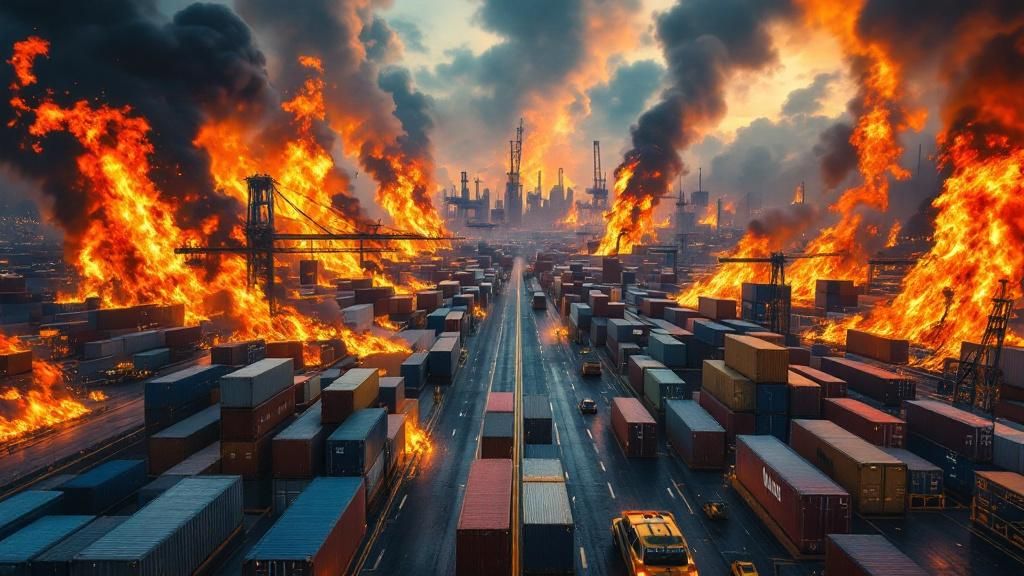
The worldwide trade terrain has declined considerably as the world’s prominent economies introduce ever-more stringent tariff regimes, triggering a cascade of counter-measures that risk undermining long-standing economic cooperation. From US-EU disagreements to tensions in the Asia-Pacific area, trade barriers are reconfiguring international commerce and raising concerns amongst economists and policymakers alike. This piece examines the escalating trade war, its root causes, and the foreseeable effects for companies and shoppers internationally.
Growing Protectionism and Financial Impact
The resurgence of protectionist policies constitutes a major transformation in how large nations manage international commerce. Governments are increasingly prioritising local businesses over free trade principles, raising worries about job losses and economic security. This movement has appeared in the form of substantial tariff increases on imported goods, especially within sectors such as steel, aluminium, and electronics. The consequences reach past simple price changes, potentially undermining logistics systems that have been painstakingly developed over many years, eventually impacting companies large and small across several continents.
Financial analysts warn that mounting trade barriers could significantly impede global growth and consumer purchasing power. When tariffs are imposed, expenses generally cascade through supply chains, resulting in increased costs for shoppers and lower profitability for businesses. Additionally, retaliatory measures generate instability in markets, discouraging capital deployment and technological advancement. The IMF has warned that sustained tariff disputes could lower global economic expansion, particularly impacting emerging economies that rely significantly on trade-based growth models. These interconnected consequences underscore the fragile nature of modern globalised commerce.
Key Players and Tactical Approaches
The mounting tariff crisis encompasses the world’s biggest economies, each implementing different aims to safeguard local manufacturing and establish market edge. The United States, European Union, and China represent major actors, with other nations including Japan, India, and the United Kingdom introducing complementary measures. These nations’ approaches demonstrate competing financial goals, geopolitical considerations, and national political factors, collectively intensifying global trade tensions and creating historic unpredictability for multinational corporations and distribution networks worldwide.
US Trade Policy Changes
The United States government has implemented a protectionist approach, applying significant duties on goods from China, steel imports, and aluminium imports whilst signalling additional duties on European cars and agricultural products. These policies aim to lower America’s persistent trade deficit and reinvigorate domestic manufacturing industries harmed by years of global trade. Policymakers argue that carefully planned tariffs safeguard security concerns and create fair competition against unfair foreign trading practices, particularly regarding IP theft and technology transfer demands.
American businesses confront significant uncertainty concerning upcoming tariff arrangements and potential retaliatory actions from commercial partners. Manufacturing sectors covering automobiles, agriculture, and technology have organised considerable lobbying initiatives against suggested tariffs that jeopardise profitability and competitiveness. The administration’s inconsistent strategy has created volatility in financial markets, leading businesses to reassess supply chain strategies and consider relocating production facilities to tariff-advantaged jurisdictions.
- Apply tariffs on goods from China totalling over three hundred billion dollars annually
- Implement steel and aluminium duties influencing friendly nations significantly
- Propose further duties on cars from Europe and farm exports
- Favour bilateral trade agreements over international trade agreements
- Use threatened tariffs as negotiation tools in trade discussions
Worldwide Market Implications
The mounting tariff disagreements have triggered considerable volatility across international markets, with equity indices seeing considerable movements as investors re-evaluate growth prospects. Currency markets have turned increasingly unstable, reflecting doubts surrounding future trade policies and their ramifications for corporate profitability. Multinational enterprises, particularly those dependent upon international supply chains, face increasing pressure as manufacturing costs climb and purchasing demand weakens. Analysts anticipate that prolonged trade tensions could reduce global gross domestic product growth, potentially triggering recessionary pressures across mature and emerging economies alike.
Consumer-facing industries confront especially severe challenges, as tariff-induced price increases threaten purchasing power and demand elasticity. Manufacturing sectors reliant upon imported raw materials and components experience compressed margins, whilst agricultural producers struggle with retaliatory restrictions on exports. Financial institutions are tightening credit conditions amid heightened macroeconomic uncertainty, potentially constraining investment and employment growth. Policymakers globally must navigate this challenging environment whilst preserving economic stability and employment levels, necessitating joint diplomatic action to ease hostilities and restore confidence in multilateral trade frameworks.
